The United Nations Food and Agriculture Organization has repeatedly warned that climate change is becoming an increasingly severe challenge to food security in Malaysia. Taking rice production as an example, yield has dropped from 71% to 56%. For crops such as long brinjal in Gua Musang, weather impacts are even more deeply felt by growers.
Challenges in Long Brinjal Cultivation
The growth cycle of long brinjal is about 180 days. With proper management, the harvesting period can be greatly extended. However, growers in Gua Musang face several challenges:
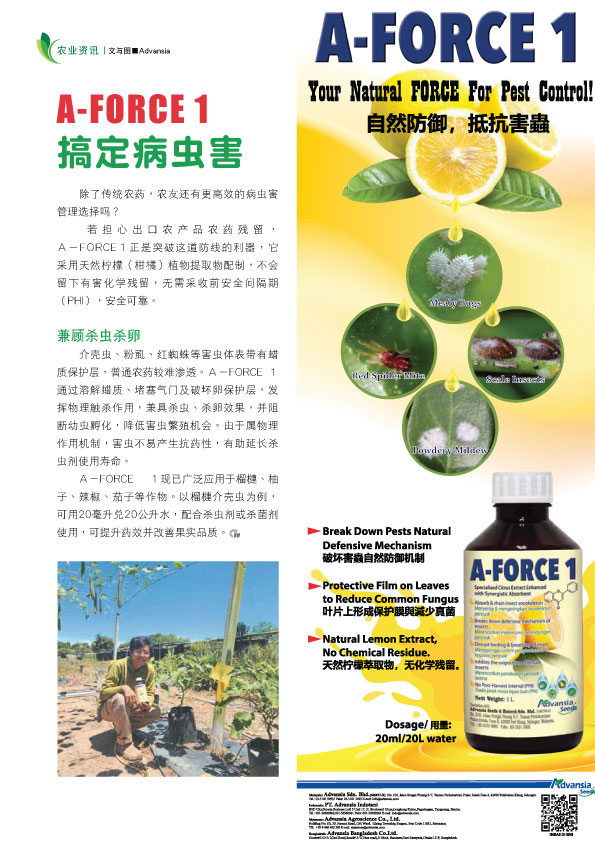
Extreme weather increases the risk of pests and diseases, such as thrips, red spider mites, fruit borers, bacterial wilt and anthracnose. These directly threaten yield and quality.
Plant stress is another concern. Extreme temperature and humidity changes can further weaken plant health and resistance, leading to more serious flower and fruit drop.
Scientific Management and Solutions
In the face of these challenges, farmers need a series of integrated management solutions.
First, strengthen field monitoring and apply pesticides properly. Through crop rotation, drip irrigation and other measures, farmers can scientifically use pesticides to control pests and diseases.
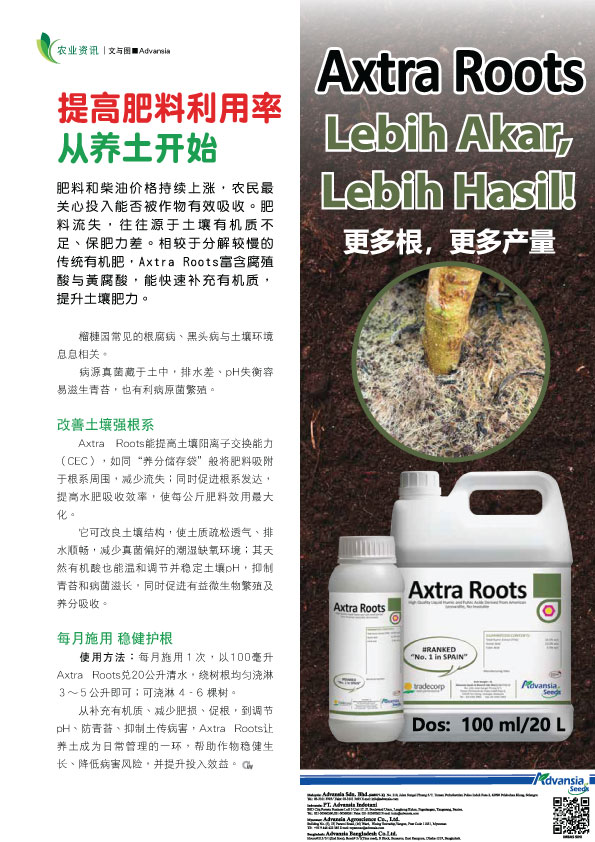
Second, optimise fertilisation programmes to improve plant stress resistance. Scientific fertilisation not only supplies the nutrients required by crops, but also significantly strengthens their resistance. The following elements are key:
A-PlusCal calcium fertiliser: Calcium can strengthen cell wall stability, reduce fruit cracking, soft rot and transport damage. It does not contain nitrogen, making it more suitable for sensitive periods, especially during flowering and the rainy season.
MULTISUC seaweed boron: Natural seaweed contains alginic acid and amino acids, which help activate crop stress resistance. Together with water-soluble boron, it helps improve flower pollination and fruit cracking issues.
Successful Case and Future Development
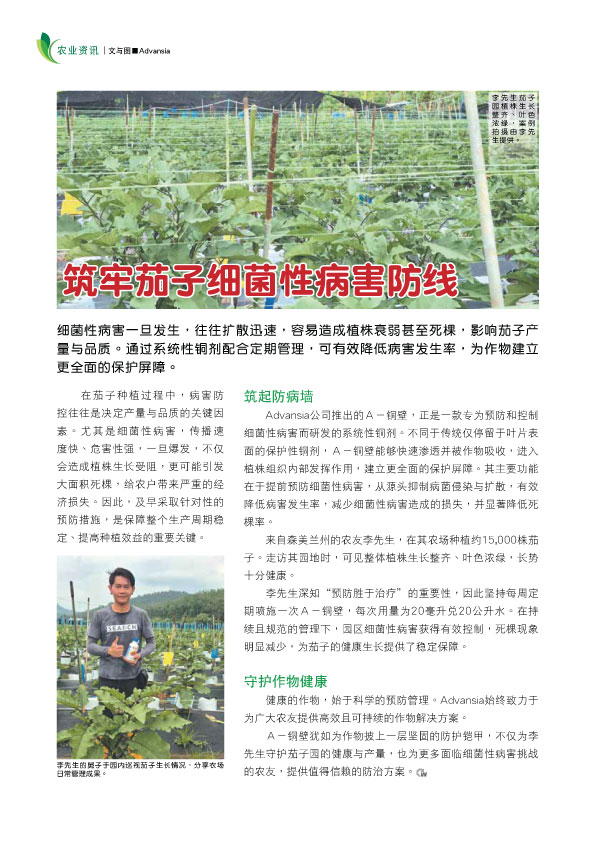
A farmer from Gua Musang shared that through drip irrigation technology and the foliar application of A-PlusCal + MULTISUC, the negative effects of extreme weather were successfully reduced. In particular, since A-PlusCal does not contain nitrogen, it can be used during the rainy season to greatly improve fruit-setting rates. The number of Grade A long brinjals also increased.
Follow us as we highlight these essential tools and their impact on sustainable farming practices.