From September to mid-January, Malaysia’s continuous heavy rainfall brings many challenges to chilli cultivation, especially during the flowering and fruiting stages. Heavy rain may not only wash away pollen, but also reduce the activity of pollinating insects, lowering pollination rates and affecting fruit formation.
In addition, water accumulation can lead to oxygen deficiency in the roots, affecting nutrient absorption and causing flower drop. High humidity also provides an ideal breeding environment for fungal diseases such as powdery mildew and anthracnose, further threatening the health of flowers and young fruits.
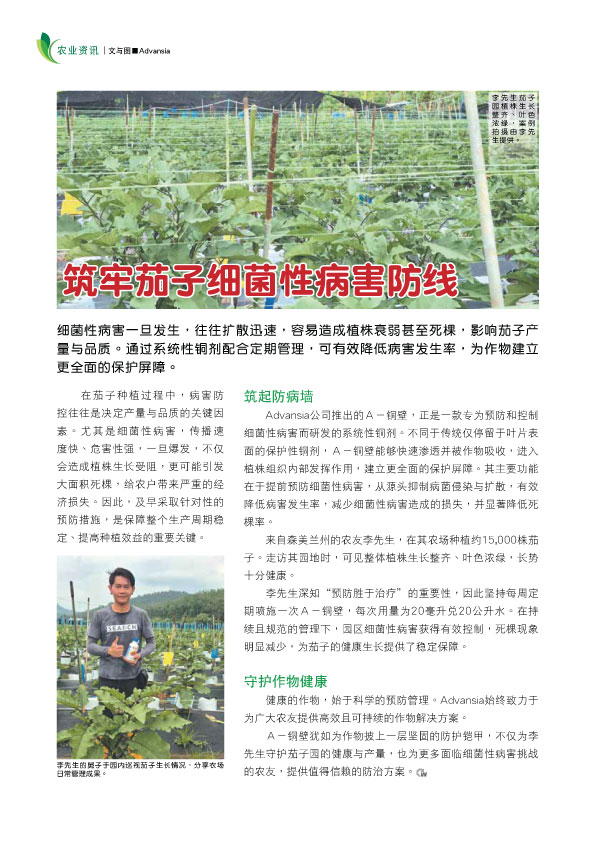
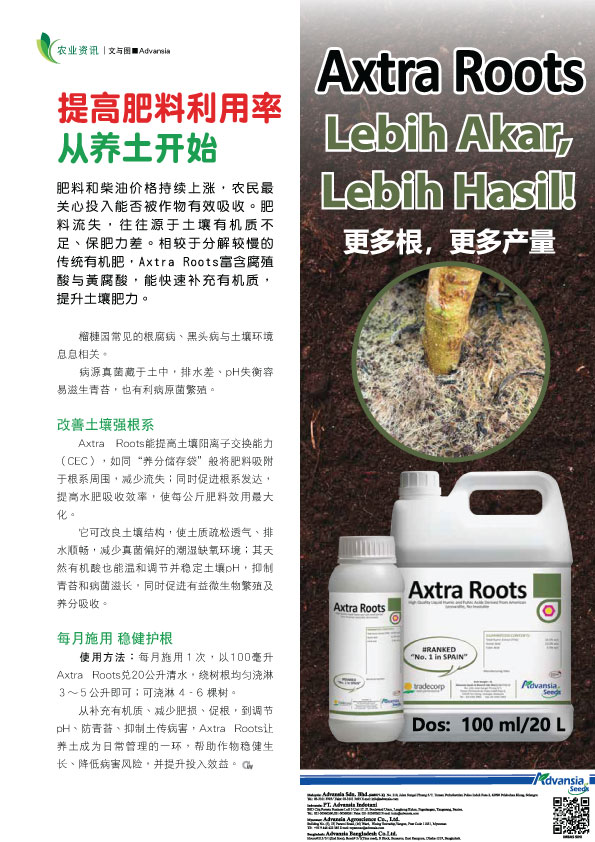
In soilless cultivation systems, rainwater can dilute the concentration of nutrient solutions and indirectly affect plant health. When facing these challenges, the combination of calcium and boron becomes like “golden partners”, playing a key role in helping chilli plants flower smoothly and set fruit successfully.
The Synergistic Effect of Calcium and Boron
Calcium and boron do not work independently, but complement each other.
Calcium strengthens cell walls, making the structure of flowers and fruits more stable. Boron ensures normal cell division and elongation, allowing fruits to develop more smoothly. When combined, they can effectively improve fruit-setting rates and reduce fruit drop problems.
A-PlusCal: As a nitrogen-free calcium source, it is the foundation for healthy chilli growth. It does not contain nitrogen, making it especially suitable for use during flowering and fruiting stages, particularly during nitrogen-sensitive periods.
Multisuc: As a source of boron for pollination and fruit development, it also improves crop stress resistance. Rich in bioactive substances, it serves as a natural solution for enhancing crop resilience. It not only improves pollination quality, but also promotes fruit development.
Farmers’ Experience
In Bagan Serai, chilli grower Ah Zhong applied 1ml/L of Multisuc and 1g/L of A-PlusCal once every 7 days as a foliar spray. The treatment successfully improved chilli flowering and fruit-setting rates.
Under high-temperature conditions, his plants continued to grow healthily, with increased flower quantity, fuller fruits, and significantly improved overall yield.
Follow us as we highlight these essential tools and their impact on sustainable farming practices.